

Society needs practical training programs because good intentions alone cannot create responsible change. Through Social Entrepreneurship Training, GIA supports individuals, organizations, nonprofits, institutions, corporates, and social entrepreneurs who want to contribute to social impact, sustainability, ESG, CSR, inclusive workplaces, employee well-being, and social entrepreneurship, but often lack structured knowledge, guidance, and action-ready frameworks.
This is where GIA Training Programs become important. Through Social Entrepreneurship Training, social enterprise training, ESG training programs, CSR and social impact training, and sustainable development training, GIA helps participants understand real challenges and respond with practical solutions. The focus is not just learning; it is learning that leads to responsible action.
In today’s world, organizations must think beyond profit and performance. Through Social Entrepreneurship Training, GIA helps people and organizations understand climate responsibility, employee well-being, corporate resilience, age inclusion, sustainable supply chains, social responsibility, and community impact. The training builds the mindset, skills, and confidence needed to act with clarity, compassion, and accountability.
When society has better-trained individuals and responsible organizations, communities become stronger. Through Social Entrepreneurship Training, GIA supports women entrepreneurs, youth leaders, professionals, nonprofits, corporates, social enterprises, ESG teams, CSR teams, and changemakers in building ethical practices, inclusive systems, sustainable models, and meaningful impact for people, planet, and future generations.

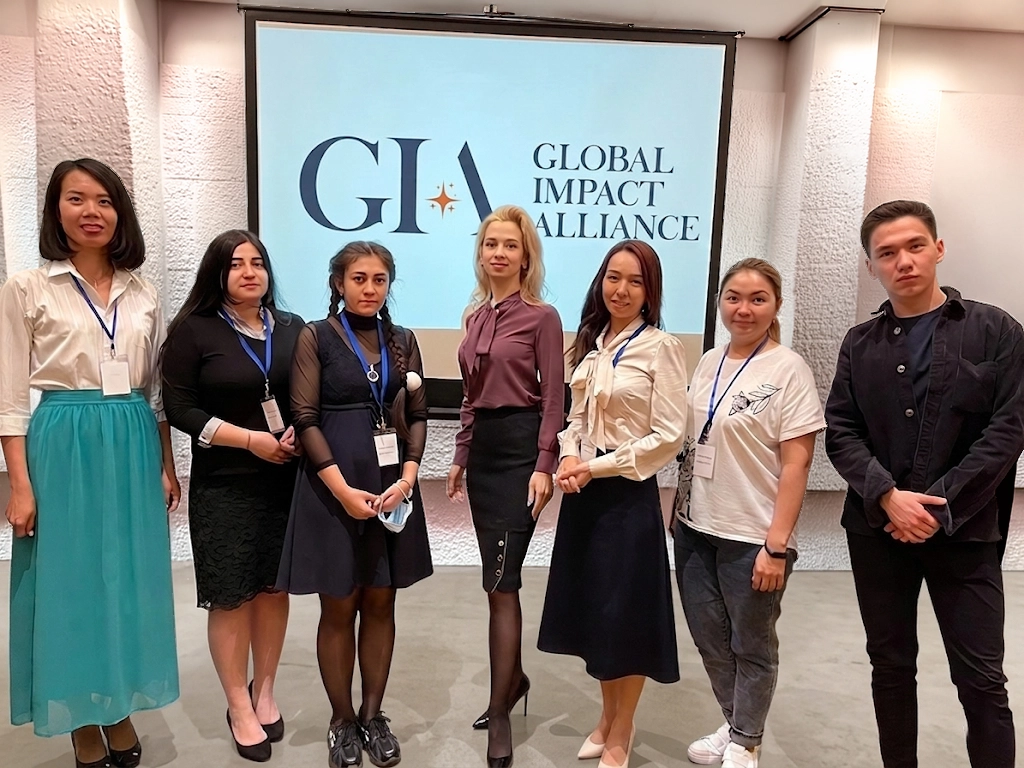
Social Entrepreneurship for Sustainable Supply Chains is a practical Social Entrepreneurship Training topic by Global Impact Alliance (GIA) that helps participants understand how businesses, nonprofits, institutions, and social enterprises can build supply chains that are responsible, ethical, inclusive, and environmentally conscious. The program connects social entrepreneurship, sustainable development training, ESG responsibility, CSR and social impact training, and real-world business practices.
This training focuses on how products, services, materials, vendors, workers, communities, and logistics can be managed with social responsibility, environmental care, fair practices, transparency, and long-term impact. Through Social Entrepreneurship Training, participants learn how a social enterprise course or social business course can help organizations reduce harm, support local communities, improve ethical sourcing, strengthen supplier responsibility, and create supply chains that serve both business growth and society.
Through Social Entrepreneurship for Sustainable Supply Chains, participants learn how to identify supply chain challenges and turn them into social impact opportunities. They gain practical knowledge in ethical sourcing, responsible procurement, vendor evaluation, community-based production, waste reduction, fair labour practices, sustainability planning, ESG alignment, and impact measurement, helping organizations become more responsible and trusted.
Participants also benefit from practical frameworks, case-based learning, project thinking, mentorship, and implementation guidance. As part of Social Entrepreneurship Training, this program helps individuals and organizations understand how to build supply chains that support business efficiency, environmental responsibility, community welfare, women-led enterprises, local livelihoods, and sustainable growth. It is ideal for learners seeking a social entrepreneurship training program, social enterprise training, and sustainable development training with real-world relevance.
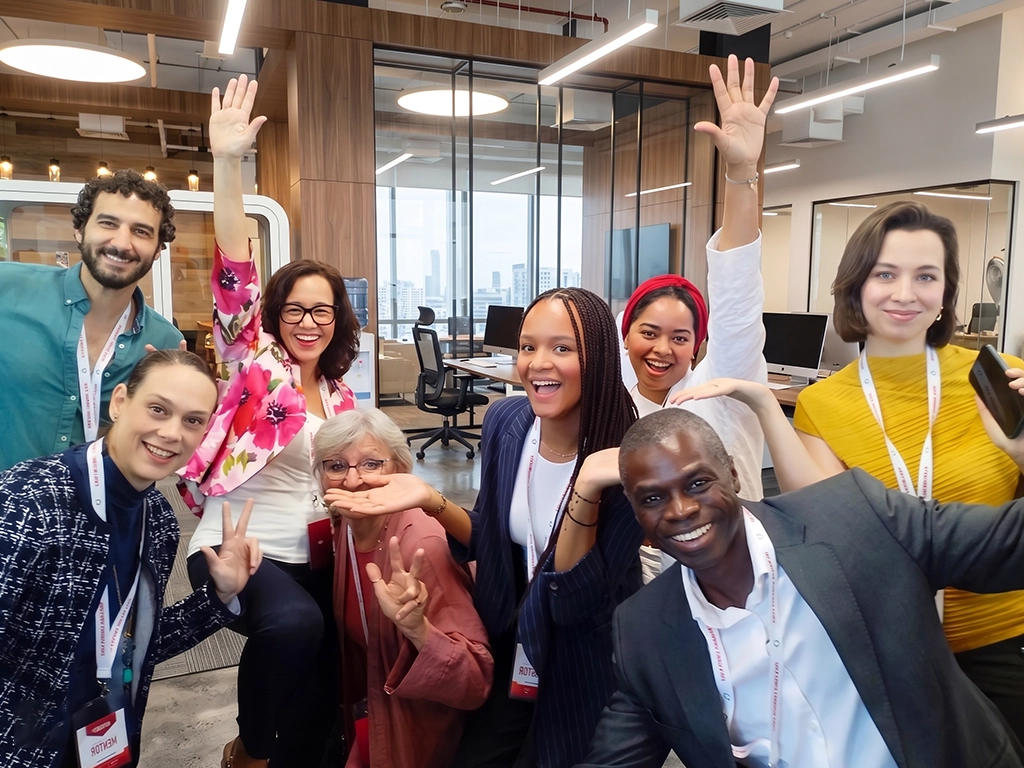

Introduction to Social Entrepreneurship Practices is a practical Social Entrepreneurship Training topic by Global Impact Alliance (GIA) that helps participants understand how ideas, businesses, nonprofits, and community initiatives can solve real social problems. It introduces the meaning of social entrepreneurship, social enterprise training, social business courses, and social impact thinking in a simple and action-focused way.
This training is designed for students, professionals, women entrepreneurs, youth leaders, nonprofits, institutions, startups, CSR teams, and changemakers who want to create meaningful projects with purpose. Through Social Entrepreneurship Training, participants learn how to identify community needs, develop practical solutions, build responsible models, understand beneficiaries, plan impact activities, and connect business thinking with human dignity, sustainability, inclusion, and long-term social value.
Through Introduction to Social Entrepreneurship Practices, participants learn how to convert a social concern into a structured and workable idea. They gain practical knowledge in problem identification, community need analysis, idea development, project planning, impact thinking, beneficiary mapping, sustainability planning, resource use, and responsible execution, helping them build stronger social initiatives.
Participants also benefit from case-based learning, simple frameworks, mentorship guidance, group discussions, and practical project exposure. This training helps learners understand how a social entrepreneurship course, social entrepreneurship training program, social enterprise course, or social enterprise management course can prepare them to create projects that support communities, women, youth, vulnerable groups, and sustainable development.


Corporate Resilience and Crisis Management is a practical GIA Training topic within Social Entrepreneurship Training that helps businesses, institutions, nonprofits, startups, and leadership teams prepare for uncertainty, disruption, risk, and organizational challenges. The training focuses on how organizations can remain stable, responsible, and people-centered during financial pressure, operational breakdowns, workplace conflicts, reputation risks, market changes, social challenges, and emergencies.
This training connects corporate resilience training, CSR and social impact training, ESG training program, leadership development, employee well-being training, and responsible business practices. Participants learn how to identify risks, build response plans, communicate during crises, support employees, protect stakeholder trust, and create systems that help organizations recover stronger with clarity, discipline, empathy, and long-term preparedness.
Through Corporate Resilience and Crisis Management, participants learn how to prepare organizations for difficult situations before they become damaging. As part of Social Entrepreneurship Training, they gain practical knowledge in risk identification, crisis planning, business continuity, stakeholder communication, leadership response, reputation management, employee support, decision-making under pressure, and recovery strategy, helping organizations act calmly and responsibly.
Participants also benefit from case-based learning, crisis scenarios, response frameworks, leadership guidance, communication planning, and practical resilience tools. This training helps organizations improve operational stability, team confidence, stakeholder trust, workplace readiness, responsible leadership, and long-term sustainability. It supports companies, nonprofits, institutions, and social enterprises in becoming stronger, smarter, and more prepared for future challenges.

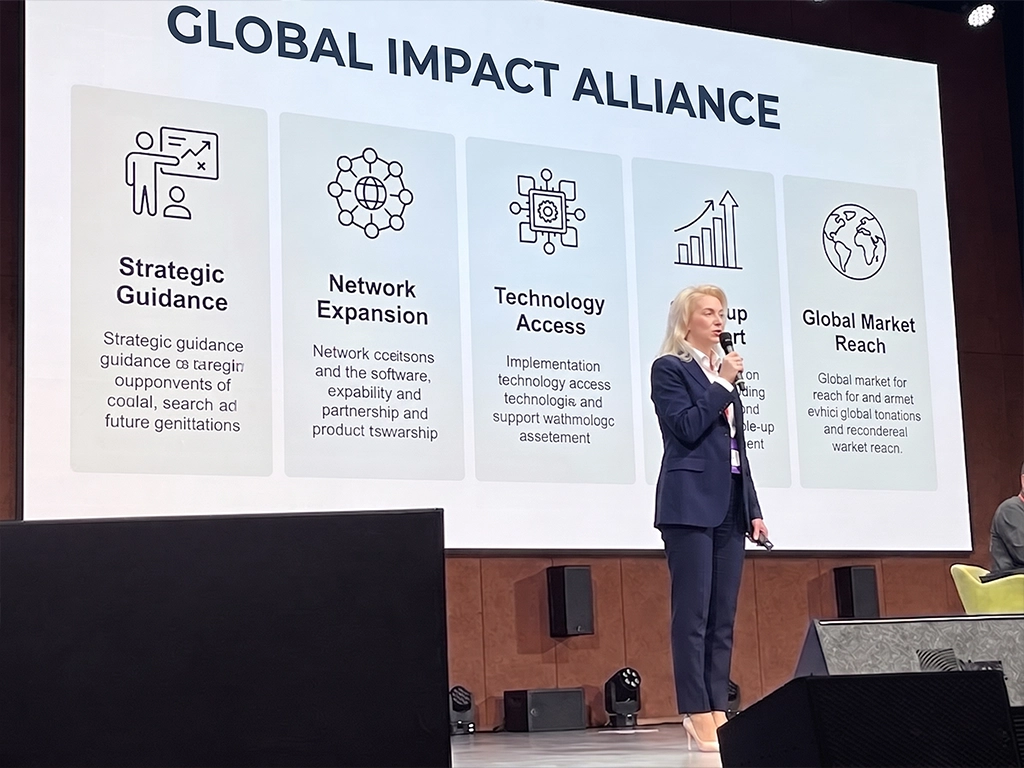
Sustainability and Carbon Neutrality is a practical GIA Training topic within Social Entrepreneurship Training that helps individuals, businesses, nonprofits, institutions, CSR teams, ESG professionals, social entrepreneurs, and changemakers understand how to reduce environmental harm and act responsibly. The training focuses on the connection between sustainability training, sustainable development training, ESG training programs, CSR and social impact training, and climate-conscious organizational practices.
This training explains how organizations can measure, reduce, and manage their environmental impact through carbon awareness, energy efficiency, waste reduction, responsible resource use, green operations, sustainable procurement, carbon footprint understanding, and climate action planning. As part of Social Entrepreneurship Training, participants learn why carbon neutrality matters and how businesses and institutions can build practical strategies that support environmental responsibility, stakeholder trust, regulatory readiness, and long-term sustainability.
Through Sustainability and Carbon Neutrality, participants learn how to understand carbon footprint, identify environmental risks, reduce emissions, improve resource efficiency, and build responsible sustainability practices. As part of Social Entrepreneurship Training, they gain practical knowledge in carbon reduction planning, sustainability reporting basics, green workplace practices, waste management, energy-saving actions, ESG alignment, and climate-conscious decision-making.
Participants also benefit from case-based learning, practical frameworks, environmental awareness, action planning, sustainability communication, and impact measurement guidance. This training helps organizations become more responsible, credible, future-ready, and environmentally conscious. It supports businesses, nonprofits, institutions, and social enterprises in creating sustainable growth, climate responsibility, carbon neutrality pathways, and positive social impact.


Corporate Social Responsibility and Impact is a practical GIA Training topic within Social Entrepreneurship Training that helps businesses, institutions, nonprofits, CSR teams, ESG professionals, social entrepreneurs, and changemakers understand how organizations can create meaningful value beyond profit. The training focuses on the connection between CSR and social impact training, ESG training programs, sustainable development training, social enterprise training, and responsible business practices.
This training explains how organizations can design, manage, communicate, and measure responsible initiatives that support communities, women empowerment, youth development, education, environment, inclusion, employee engagement, sustainability, and social progress. As part of Social Entrepreneurship Training, participants learn how CSR can move beyond donation-based activity and become a structured approach to stakeholder trust, ethical responsibility, brand credibility, community development, and long-term impact.
Through Corporate Social Responsibility and Impact, participants learn how to plan CSR initiatives with clear purpose, measurable outcomes, and community relevance. As part of Social Entrepreneurship Training, they gain practical knowledge in CSR strategy, impact planning, stakeholder mapping, project selection, partnership development, employee volunteering, sustainability alignment, reporting basics, and responsible communication, helping organizations act with clarity and accountability.
Participants also benefit from case-based learning, practical frameworks, CSR project thinking, social impact measurement, community engagement guidance, and partnership models. This training helps organizations improve brand trust, employee participation, ESG readiness, community relationships, social responsibility, and long-term credibility. It supports companies, institutions, nonprofits, and social enterprises in creating responsible growth, stronger communities, and meaningful social impact.


Talent Management for Hybrid Work is a practical GIA Training topic within Social Entrepreneurship Training that helps businesses, institutions, nonprofits, startups, HR teams, managers, and leaders manage people effectively in modern work environments. The training focuses on how organizations can support employees working across office-based, remote, flexible, and hybrid work models with clarity, fairness, communication, and accountability.
This training connects employee well-being training, inclusive workplace training, corporate resilience training, leadership development, ESG training program, and responsible organizational culture. Participants learn how to manage performance, communication, collaboration, employee engagement, digital coordination, team trust, productivity, inclusion, mental well-being, and workplace belonging in hybrid teams. The goal is to help organizations build a work culture that is flexible, human-centered, and results-driven.
Through Talent Management for Hybrid Work, participants learn how to build stronger systems for employee performance, team communication, remote collaboration, role clarity, accountability, motivation, engagement, and leadership support. As part of Social Entrepreneurship Training, they gain practical understanding of how to manage talent without losing connection, productivity, fairness, or team spirit.
Participants also benefit from case-based learning, HR frameworks, leadership guidance, communication tools, performance planning, and employee engagement strategies. This training helps organizations improve retention, productivity, workplace trust, employee satisfaction, hybrid team performance, and inclusive leadership. It supports companies, nonprofits, institutions, and social enterprises in creating future-ready workplaces where people feel connected, respected, guided, and valued.


Mental Health and Employee Wellbeing is a practical GIA Training topic within Social Entrepreneurship Training that helps businesses, institutions, nonprofits, startups, HR teams, managers, and leaders create healthier, safer, and more supportive workplaces. The training focuses on how organizations can understand employee stress, burnout, emotional pressure, workplace anxiety, communication gaps, workload challenges, and team well-being with care.
This training connects employee well-being training, inclusive workplace training, corporate resilience training, ESG training programs, CSR and social impact training, and responsible leadership. As part of Social Entrepreneurship Training, participants learn how to build workplace cultures where people feel heard, respected, supported, valued, and emotionally safe. The goal is to help organizations improve mental health awareness, employee engagement, productivity, retention, trust, and human-centered performance.
Through Mental Health and Employee Wellbeing, participants learn how to recognize workplace stress factors, support employees with empathy, improve communication, and build healthier team practices. As part of Social Entrepreneurship Training, they gain practical knowledge in stress awareness, burnout prevention, emotional safety, workload balance, respectful leadership, employee support systems, team trust, and workplace belonging.
Participants also benefit from case-based learning, practical well-being frameworks, leadership guidance, communication tools, workplace examples, and employee care strategies. As part of Social Entrepreneurship Training, this program helps organizations improve employee morale, team connection, productivity, retention, organizational trust, and workplace dignity. It supports businesses, nonprofits, institutions, and social enterprises in creating healthier workplaces where people can perform with confidence, balance, and emotional strength.


Every GIA Training Program begins with a simple understanding of the participant’s or organization’s learning needs. Interested individuals, institutions, nonprofits, corporates, HR teams, CSR teams, ESG professionals, students, and changemakers can fill the training enquiry form with their goals, background, preferred topic, and expected outcomes. The GIA team reviews the requirement and suggests the most suitable training pathway.
Once the training scope is finalized, participants receive structured access to learning sessions, expert guidance, practical frameworks, case-based discussions, mentorship support, activity-based learning, and outcome-focused assignments. As part of Social Entrepreneurship Training, each program is designed to connect knowledge with action, helping participants understand concepts, apply learning, improve decision-making, and create responsible impact within their workplace, community, organization, or social enterprise.
GIA Training Programs are designed to help individuals and organizations move from awareness to action. Through Social Entrepreneurship Training, ESG training, CSR and social impact training, sustainability training, corporate resilience training, inclusive workplace training, employee well-being training, and sustainable supply chain training, GIA builds practical understanding for responsible change.
By joining GIA training, participants become better prepared to support social impact, sustainable development, ethical business practices, inclusive workplaces, employee well-being, women empowerment, youth leadership, and community progress. Through Social Entrepreneurship Training, GIA invites individuals, professionals, nonprofits, institutions, corporates, HR teams, CSR teams, ESG professionals, and changemakers to learn with purpose and create impact with responsibility.
Together, we can turn compassion into structure, support into opportunity, and intention into visible social impact. Let’s associate to build communities.
