The UN Sustainable Development Goals are important because society still faces deep challenges such as poverty, inequality, climate change, lack of quality education, gender gaps, unemployment, weak partnerships, and limited opportunities. These goals give the world a common direction to build communities where people can live with dignity, safety, fairness, and hope.
For GIA, the United Nations Women Empowerment vision is strongly connected with the need to support women, youth, refugees, migrants, people with disabilities, vulnerable communities, and social entrepreneurs. A society cannot grow fully when people are left behind. Real development begins when every person receives access, skills, mentorship, leadership, and opportunity.
As a responsible women empowerment organization, GIA aligns its work with major SDGs such as SDG 4 Quality Education, SDG 5 Gender Equality, SDG 8 Decent Work and Economic Growth, SDG 10 Reduced Inequalities, and SDG 17 Partnerships for the Goals. These goals guide GIA’s programs, training, membership, advocacy, and partnerships.
Through Women Empowerment Programs, Social Entrepreneurship Training, youth empowerment initiatives, business consultancy, sustainability training, advocacy for women empowerment, and advocacy for youth empowerment, GIA works to convert global goals into practical community action. Our purpose is to create inclusive opportunities, stronger livelihoods, responsible leadership, social impact, and sustainable progress.

SDG 1 No Poverty focuses on ending poverty in all its forms by improving access to opportunities, resources, income pathways, education, skills, and social protection. For GIA, poverty is not only about lack of money; it is also about limited access to training, mentorship, dignity, networks, leadership, digital visibility, and economic participation, especially for women, youth, refugees, migrants, and vulnerable communities.
As a women empowerment organization, GIA supports United Nations Women Empowerment goals by creating programs that encourage women’s economic empowerment, social entrepreneurship, skill development, business guidance, youth leadership, and inclusive opportunity building. Through training, mentorship, partnerships, and practical support, GIA helps individuals move toward confidence, income generation, independence, and stronger community participation.

SDG 2 Zero Hunger focuses on ending hunger, improving food security, promoting better nutrition, and supporting sustainable agriculture. For GIA, hunger is connected to poverty, unemployment, gender inequality, climate challenges, weak livelihoods, and lack of access to resources, especially among women, youth, refugees, migrants, and vulnerable communities.
As a women empowerment organization, GIA supports United Nations Women Empowerment goals by promoting skills, livelihood development, social entrepreneurship, women-led initiatives, community awareness, and sustainable development training. Through training, mentorship, partnerships, and advocacy, GIA helps people build income pathways, support local communities, and contribute to food security, dignity, resilience, and inclusive social progress.

SDG 3 Good Health and Well-Being focuses on ensuring healthy lives and promoting well-being for all. For GIA, health is connected to mental well-being, workplace dignity, emotional safety, community support, access to awareness, inclusion, and social protection, especially for women, youth, refugees, migrants, people with disabilities, and vulnerable communities.
As a women empowerment organization, GIA supports United Nations Women Empowerment goals through employee well-being training, mental health awareness, inclusive workplace programs, leadership support, youth empowerment, and community guidance. Through training, mentorship, advocacy, and partnerships, GIA helps create healthier communities where people feel supported, respected, confident, emotionally safe, and socially included.

SDG 4 Quality Education focuses on ensuring inclusive, equitable, and lifelong learning opportunities for everyone. For GIA, education is not limited to classrooms; it also includes training, mentorship, leadership learning, digital skills, entrepreneurship education, sustainability awareness, and social responsibility, especially for women, youth, refugees, migrants, people with disabilities, and vulnerable communities.
As a women empowerment organization, GIA supports United Nations Women Empowerment goals through Women Empowerment Programs, Social Entrepreneurship Training, youth empowerment programs, leadership development, mentorship, and skill-building initiatives. Through training, guidance, partnerships, and practical learning, GIA helps individuals gain knowledge, confidence, employability, digital readiness, leadership ability, and stronger participation in society.

SDG 5 Gender Equality focuses on achieving equal rights, equal opportunities, leadership access, safety, dignity, and participation for women and girls. For GIA, gender equality means supporting women with education, mentorship, economic empowerment, leadership confidence, entrepreneurship opportunities, advocacy, social recognition, and decision-making power in families, workplaces, communities, and society.
As a women empowerment organization, GIA supports United Nations Women Empowerment through Women Empowerment Programs, women leadership programs, support for female entrepreneurs, advocacy for women empowerment, mentorship, training, and economic participation. Through practical programs and partnerships, GIA helps women build confidence, independence, visibility, leadership strength, financial awareness, and long-term social impact.

SDG 6 Clean Water and Sanitation focuses on ensuring access to safe water, proper sanitation, hygiene awareness, responsible water use, and sustainable water management. For GIA, clean water is connected to health, dignity, education, gender equality, community safety, climate responsibility, and reduced inequalities, especially for women, youth, refugees, migrants, and vulnerable communities.
As a women empowerment organization, GIA supports United Nations Women Empowerment by promoting awareness, sustainability training, community education, youth participation, social entrepreneurship, and advocacy for responsible resource use. Through training, partnerships, campaigns, and empowerment programs, GIA encourages communities to understand water conservation, hygiene practices, environmental responsibility, and sustainable living for healthier and stronger societies.

SDG 7 Affordable and Clean Energy focuses on ensuring access to affordable, reliable, sustainable, and modern energy for all. For GIA, clean energy is connected to climate responsibility, economic opportunity, women empowerment, education, health, entrepreneurship, and sustainable community development, especially for women, youth, refugees, migrants, and vulnerable communities.
As a women empowerment organization, GIA supports United Nations Women Empowerment by promoting sustainability training, climate awareness, social entrepreneurship, youth empowerment, responsible business practices, and advocacy for clean energy awareness. Through training, mentorship, partnerships, and community programs, GIA encourages people and organizations to adopt energy efficiency, green practices, responsible innovation, and sustainable growth.

SDG 8 Decent Work and Economic Growth focuses on promoting productive employment, fair work opportunities, entrepreneurship, economic participation, safe workplaces, and sustainable growth. For GIA, decent work is connected to women’s economic empowerment, youth employment, social entrepreneurship, digital skills, leadership development, and inclusive income opportunities for women, youth, refugees, migrants, and vulnerable communities.
As a women empowerment organization, GIA supports United Nations Women Empowerment through Women Empowerment Programs, Social Entrepreneurship Training, support for female entrepreneurs, youth empowerment programs, mentorship, business consultancy, and leadership training. Through skills development, entrepreneurship support, partnerships, and advocacy, GIA helps people build confidence, employability, income pathways, workplace dignity, and sustainable economic growth.

SDG 9 Industry, Innovation and Infrastructure focuses on building resilient infrastructure, inclusive innovation, sustainable industries, digital access, entrepreneurship, and technology-driven growth. For GIA, innovation means helping women, youth, social entrepreneurs, refugees, migrants, people with disabilities, and vulnerable communities access the tools, training, confidence, and platforms needed to participate in modern development.
As a women empowerment organization, GIA supports United Nations Women Empowerment through digital transformation support, business consultancy, social entrepreneurship training, youth empowerment, women-led enterprise development, mentorship, and innovation-focused programs. Through website strategy, SEO, AEO, digital visibility, project planning, and partnership building, GIA helps communities and organizations grow with innovation, inclusion, infrastructure readiness, and sustainable impact.

SDG 10 Reduced Inequalities focuses on reducing inequality within and among countries by improving equal access, inclusion, dignity, opportunity, representation, and social protection. For GIA, inequality affects women, youth, refugees, migrants, people with disabilities, vulnerable communities, and social entrepreneurs who often face barriers in education, employment, leadership, finance, and visibility.
As a women empowerment organization, GIA supports United Nations Women Empowerment through inclusive programs, advocacy for women empowerment, advocacy for youth empowerment, mentorship, leadership development, refugee support, migrant inclusion, disability inclusion, and social entrepreneurship training. Through partnerships, training, community engagement, and opportunity-building, GIA helps people move toward confidence, participation, equality, dignity, and sustainable social progress.

SDG 11 Sustainable Cities and Communities focuses on building inclusive, safe, resilient, and sustainable communities where people can live with dignity, access, opportunity, and social protection. For GIA, sustainable communities must include women, youth, refugees, migrants, people with disabilities, vulnerable groups, social entrepreneurs, and grassroots leaders in development.
As a women empowerment organization, GIA supports United Nations Women Empowerment through community empowerment, social entrepreneurship programs, youth leadership, women-led initiatives, inclusion training, sustainability awareness, and partnership development. Through training, mentorship, advocacy, and local collaboration, GIA helps communities become more inclusive, resilient, connected, responsible, and prepared for sustainable social progress.

SDG 12 Responsible Consumption and Production focuses on promoting sustainable resource use, waste reduction, ethical production, responsible consumption, circular thinking, and environmental awareness. For GIA, responsible consumption is connected to sustainability, climate responsibility, social entrepreneurship, women-led enterprises, youth awareness, community education, and sustainable supply chains.
As a women empowerment organization, GIA supports United Nations Women Empowerment through sustainability training, social entrepreneurship programs, sustainable supply chain awareness, ESG learning, CSR and social impact training, and community advocacy. Through training, mentorship, partnerships, and awareness programs, GIA helps individuals and organizations adopt responsible practices, ethical choices, reduced waste, greener operations, and sustainable impact.

SDG 13 Climate Action focuses on taking urgent action to address climate change, environmental risks, carbon emissions, disaster resilience, sustainability awareness, and climate responsibility. For GIA, climate action is connected to women empowerment, youth leadership, social entrepreneurship, sustainable development, responsible business practices, and community resilience.
As a women empowerment organization, GIA supports United Nations Women Empowerment through sustainability training, carbon neutrality awareness, ESG learning, social entrepreneurship programs, youth empowerment, and advocacy for climate responsibility. Through training, mentorship, partnerships, and community education, GIA helps people and organizations adopt greener practices, climate-conscious decisions, sustainable models, and responsible social impact.

SDG 14 Life Below Water focuses on protecting oceans, seas, marine resources, coastal ecosystems, aquatic biodiversity, and sustainable water-based livelihoods. For GIA, marine protection is connected to climate action, community awareness, responsible consumption, sustainable development, youth participation, women empowerment, and social entrepreneurship.
As a women empowerment organization, GIA supports United Nations Women Empowerment through sustainability training, environmental awareness, social entrepreneurship programs, youth empowerment, coastal responsibility, and advocacy for marine protection. Through training, partnerships, campaigns, and community education, GIA encourages people and organizations to support clean oceans, responsible practices, reduced pollution, sustainable livelihoods, and environmental dignity.

SDG 15 Life on Land focuses on protecting forests, biodiversity, land ecosystems, wildlife, soil health, and natural habitats. For GIA, land protection is connected to climate action, sustainable communities, responsible consumption, youth participation, women empowerment, environmental awareness, and social entrepreneurship that respects nature.
As a women empowerment organization, GIA supports United Nations Women Empowerment through sustainability training, environmental education, youth empowerment, community awareness, social entrepreneurship programs, and advocacy for responsible land use. Through training, mentorship, partnerships, and campaigns, GIA encourages people and organizations to protect green spaces, biodiversity, ecosystems, sustainable livelihoods, and environmental responsibility.

SDG 16 Peace, Justice and Strong Institutions focuses on building peaceful, inclusive, fair, accountable, and responsible societies where people can access justice, dignity, safety, participation, and trustworthy systems. For GIA, peace is connected to women empowerment, youth leadership, inclusion, advocacy, social responsibility, community trust, and equal participation.
As a women empowerment organization, GIA supports United Nations Women Empowerment through advocacy for women empowerment, advocacy for youth empowerment, leadership training, inclusive programs, community dialogue, social entrepreneurship, and partnership development. Through training, mentorship, awareness, and collaboration, GIA helps strengthen responsible leadership, social inclusion, community confidence, institutional trust, and sustainable peace-building.

SDG 17 Partnerships for the Goals focuses on building strong global partnerships, institutional collaboration, knowledge sharing, funding support, community alliances, and shared responsibility to achieve sustainable development. For GIA, partnerships are essential for strengthening women empowerment, youth empowerment, social entrepreneurship, sustainability, inclusion, advocacy, and long-term community impact.
As a women empowerment organization, GIA supports United Nations Women Empowerment through partnerships for the goals, global collaboration, women’s economic empowerment organizations, youth empowerment organizations, nonprofits, institutions, corporates, mentors, donors, and changemakers. Through training, programs, membership, advocacy, and shared initiatives, GIA brings people together to create inclusive opportunities, stronger networks, responsible action, and sustainable social progress.
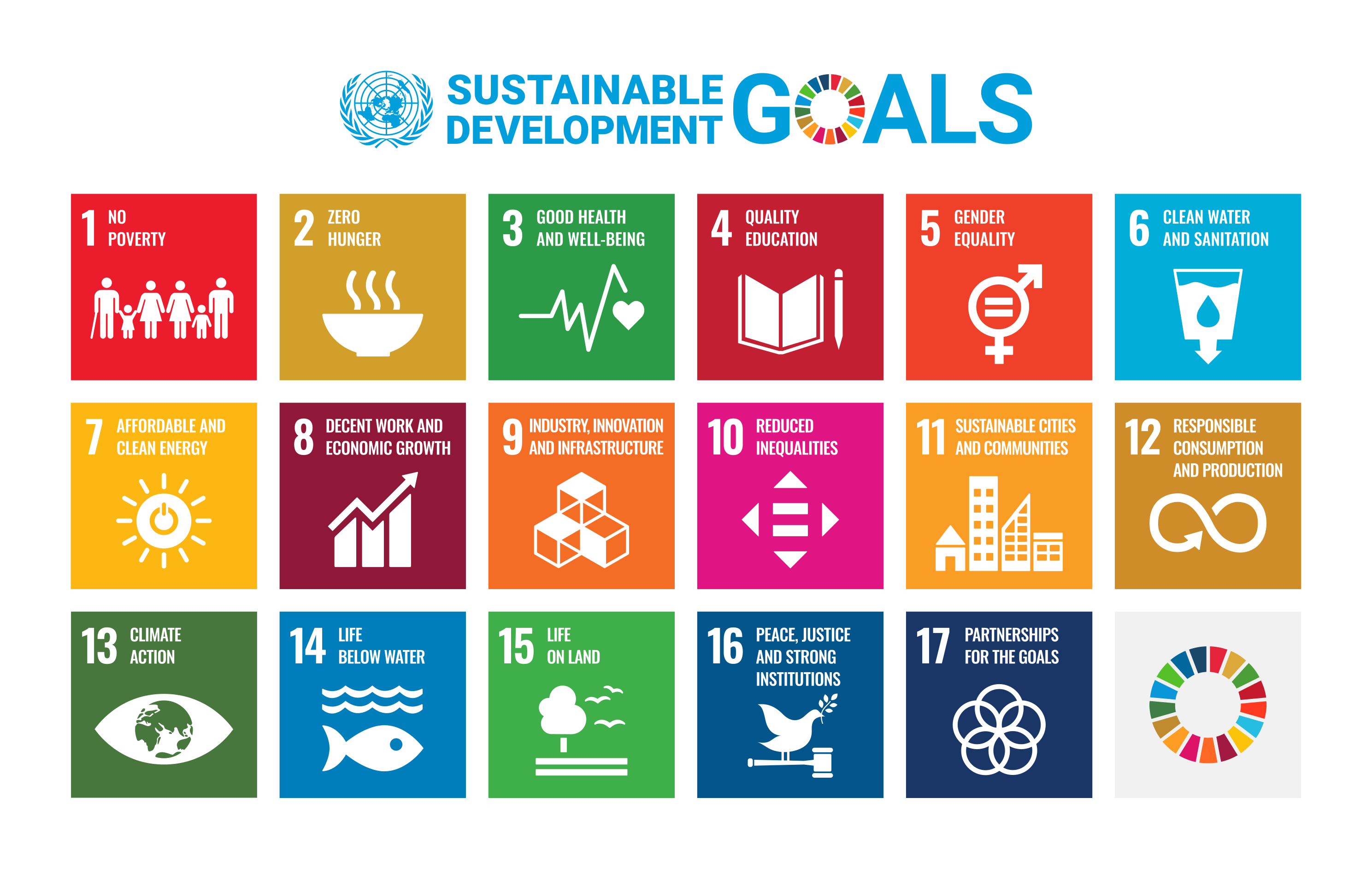
The UN Sustainable Development Goals remind us that real development must include people, planet, dignity, equality, education, work, sustainability, justice, and partnerships. For GIA, these goals are not distant global ideas; they are practical directions for creating stronger communities and meaningful opportunities.
As a women empowerment organization, GIA continues to support United Nations Women Empowerment, youth empowerment, social entrepreneurship, quality education, gender equality, decent work, reduced inequalities, and partnerships for the goals. Through programs, training, membership, advocacy, and collaboration, GIA works to turn UN SDGs into visible social impact.
Join GIA’s membership to access exclusive training, resources, and a global network of changemakers dedicated to sustainable, inclusive impact.
